
Generation Z – the group of individuals born between 1996 and 2010 – is one of the largest generations, surpassing Generation X and Baby Boomers. Alone, Gen Z makes up one-fourth of the global population.
Each generation is uniquely defined based on technology, current events and culture, and Gen Z is no exception. This group is often referred to as ‘digital natives’ since they are the first generation to grow up with the internet as part of their daily lives.
As a result, their online presence, interests and news consumption significantly differ from previous generations. Companies are now forced to reevaluate media strategies in order to effectively engage with this audience.
This generation - now aged 16 to 30 - has entered the workforce and they're making choices for their spending. Gen Z’s spending power is estimated to grow to $12 trillion by 2030, making them an obvious investment.
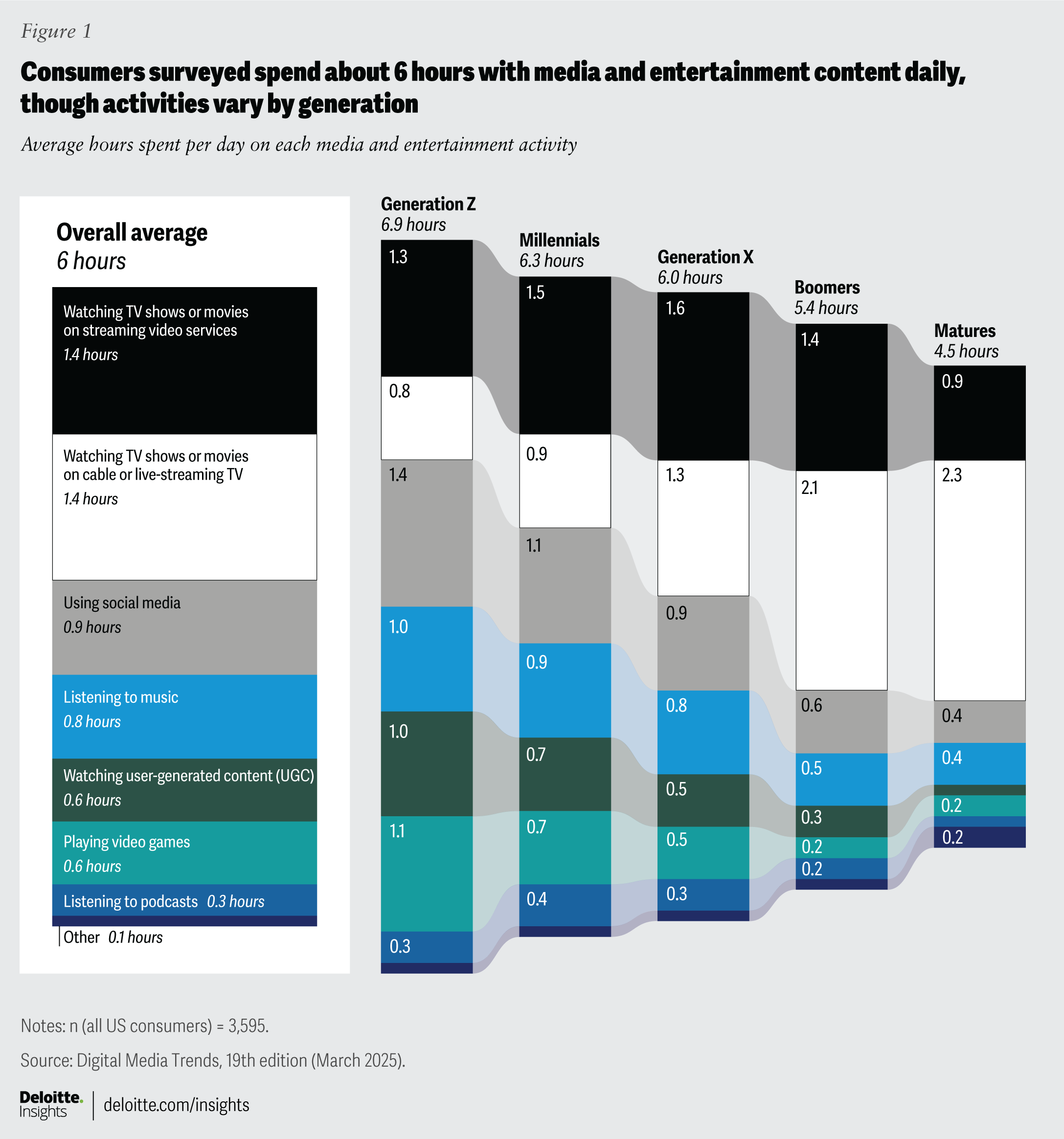
Despite Gen Z spending 6.6 hours per day online, it doesn't mean they’re easy to reach. Most of these hours are spent across a variety of platforms, making them harder to target. Additionally, their early exposure to the internet has allowed them to form opinions and preferences at a younger age than others. Their habits aren’t changing anytime soon.
Where Does Gen Z Spend Time Online?
The Deloitte Center for Technology, Media & Communications recently published its 2025 Media Trends survey to find out where different generations are spending their time online.
The biggest takeaway? Companies are competing for an average of six hours per day of Gen Z’s media use, and this number isn’t growing.
When coupled with information regarding Gen Z’s news consumption, it becomes clear how significantly Gen Z has changed today’s media landscape compared to previous generations.
Gen Z adults (aged 18-29) access news through:
- TikTok (43% of the time)
- Facebook (41% of the time)
- YouTube (41% of the time)
Younger adults specifically are more likely to get their news through influencers. Nearly two in five (38%) Gen Zers aged 18 to 29 report that they regularly get news through influencers – more than four times the share of those 65 years or older.
What Does This Mean?
With significant purchasing power, Gen Z forces media and companies to change targeting strategies. While companies may have previously focused media relations on live TV or out-of-home advertising, now, they must diversify their channels.
It’s important to note that this shift includes B2B companies. Millennials and Gen Z make up 64% of business buyers, and 37% of Gen Z is already in management roles, a surprising number for a young generation.
How to Adjust Communications
Altering a communications strategy can be daunting, but we’re breaking it down into four simple steps.
- Understand your audience
Find out as much as you can about your target audience through surveys and market research. These insights will unlock their motives, dislikes, internet usage patterns and other information required to effectively meet them where they are. - Meet them where they are
One of Gen Z’s unique characteristics is that they have been shaped by the digital age. They have already decided how they like to consume media and news, and from which platforms. Their usage is not changing, and they will not seek out company communications. It’s our job as communicators to meet them where they are. Communicate through the online channels they frequent. - Diversify your channels
If your company is not already using a channel where your audience frequents, it’s time to explore it. Maybe that’s Pinterest or YouTube. It’s important to adapt to your audience and engage with new platforms to best reach them. - Lead with authenticity
No matter the channel, you must be authentic. While it’s encouraged to adapt to the culture of each platform, don’t stray from core brand messaging or the company mission. For example, it’s okay to engage in viral trends as long as there is something for your company to add to the conversation. If you can’t find a relatability factor, don’t force it. After all, Gen Z leans skeptical of companies and brands to begin with.
Lean On an Experienced Partner
The online media and entertainment landscape will continue to change, now and with future generations. It’s crucial for companies to keep a pulse on these changes to ensure you’re able to communicate with your audience.
Whether you need to completely reevaluate your communications strategy or seek guidance on messaging, it’s helpful to lean on an experienced communications firm. Schedule a free consultation with our team to learn how to optimize your communications strategy.